English



Forget About John Lennon!
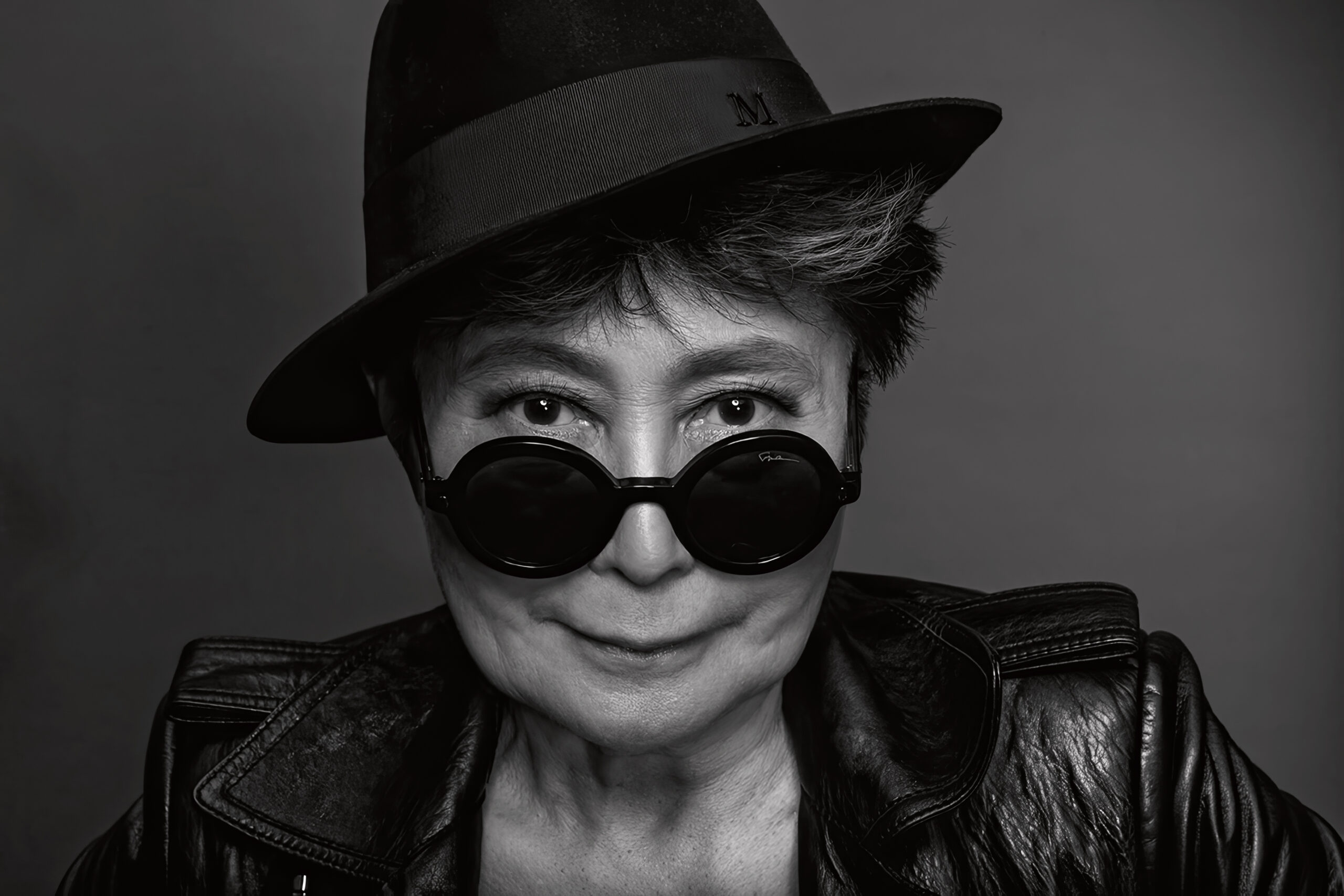
Perhaps the best thing that ever happened to Yoko Ono happened six decades after the Beatles. At last, people began talking about her not as the woman in John Lennon’s life, but as one of the artists who fundamentally changed the course of contemporary art.
That’s precisely why Yoko Ono: Insound and Instructure at Sakıp Sabancı Museum matters. The most comprehensive presentation of Ono’s work ever staged in Türkiye brings together 67 works spanning nearly seventy years of her career. But rather than unfolding as a chronological retrospective, the exhibition is conceived as a living, evolving experience —one that invites visitors to become part of the story.
This isn’t the kind of exhibition you simply walk through. Yoko Ono is constantly asking something of you. To climb a ladder and look toward the sky. To hang a wish on the branches of a tree. To play chess with white pieces. To mend something broken together. And that’s exactly why you leave remembering not so much the titles of the works as the feelings they leave behind.
Still, some pieces encapsulate Ono’s artistic language almost effortlessly. Sky Ladders is a poetic invitation, quietly suggesting that reaching the sky is less a physical act than a state of mind. Wish Tree, one of Ono’s best-known ongoing works, has collected millions of wishes around the world; in Istanbul, it continues to grow each day as visitors add their own handwritten hopes. Then there’s Play It By Trust, perhaps one of her most ingenious works: a chess set in which every piece is white. Unable to distinguish your opponent’s pieces from your own, the game becomes less about winning than about trust, empathy and the fragile rules that govern human relationships.
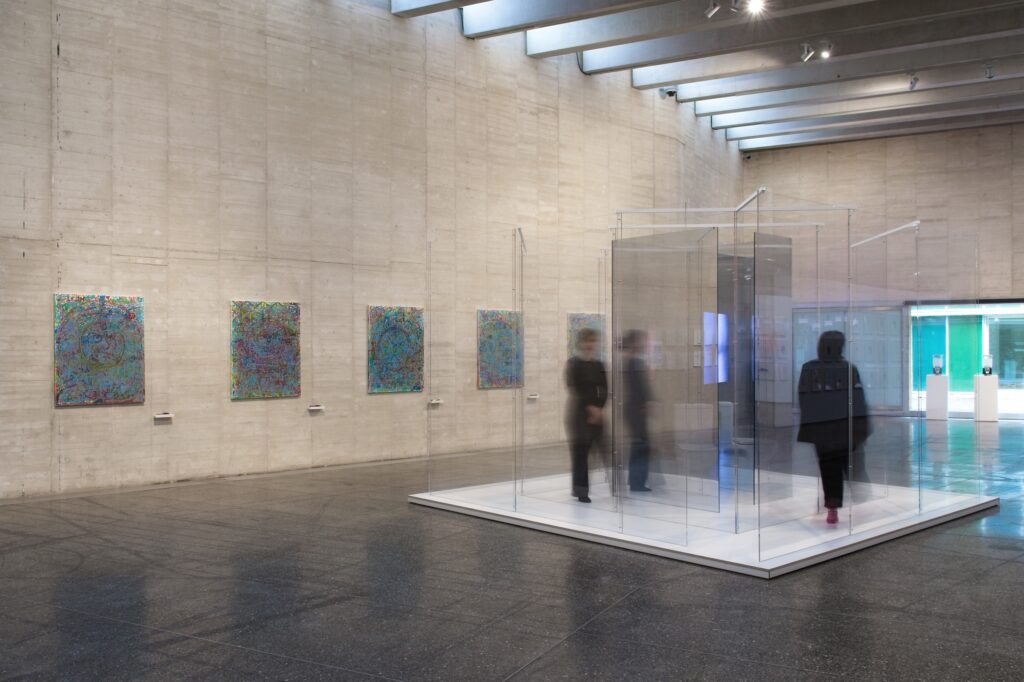
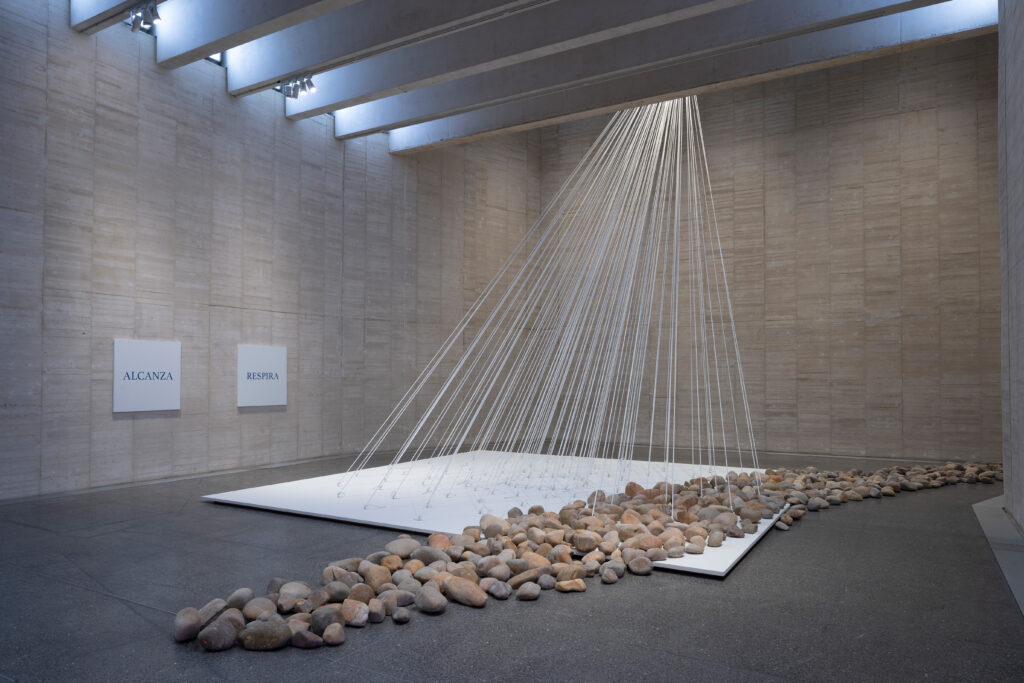
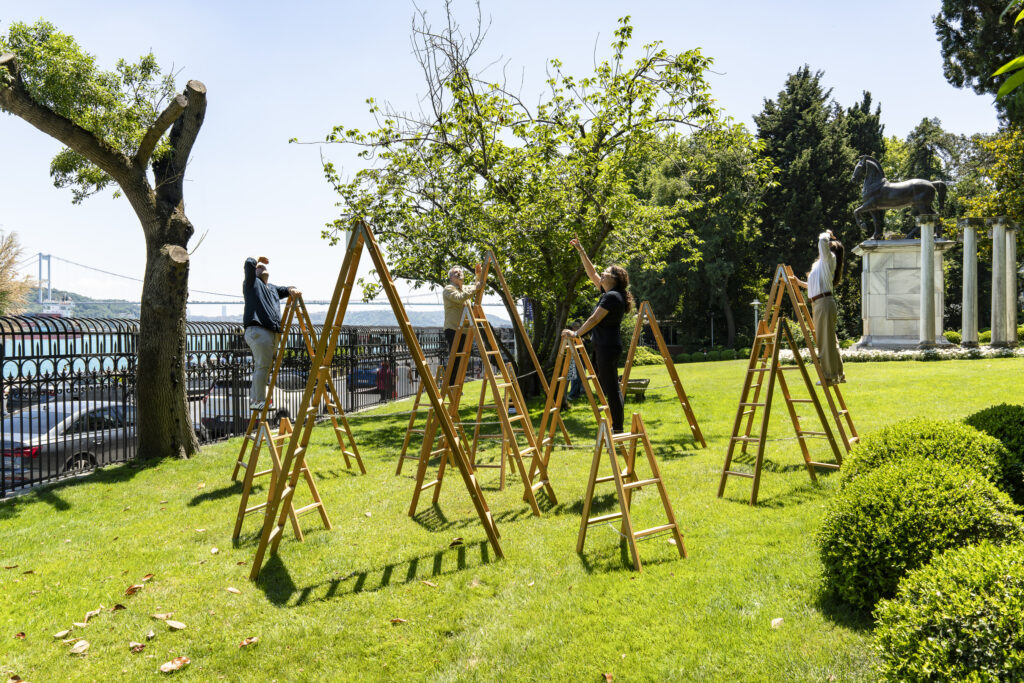
Today, countless exhibitions are marketed as “immersive,” often relying on spectacular visuals and elaborate staging. Yoko Ono posed a far more radical question more than sixty years ago: Can the viewer become the artwork? Through her instruction-based pieces, performances and participatory installations developed within the Fluxus movement in the 1960s, she helped pioneer an entirely new way of thinking about art. Experiences that feel perfectly familiar in museums today were once dismissed with a shrug: “Is this really art?” Time, however, has delivered its verdict.
Another reason this exhibition stands out is that Insound and Instructure isn’t simply a touring package stopping in Istanbul. Developed collaboratively by Yoko Ono’s Studio One, Spain’s MUSAC and Sakıp Sabancı Museum, the exhibition has been thoughtfully reimagined in dialogue with the historic Atlı Köşk, its galleries and its Bosphorus-facing gardens. The curatorial team includes Jon Hendricks and Connor Monahan, longtime collaborators of Ono, alongside MUSAC Director Álvaro Rodríguez Fominaya and Sakıp Sabancı Museum Director Ahu Antmen.
As Antmen has noted, the exhibition isn’t interested in repeating the popular mythology surrounding Yoko Ono. Instead, it invites audiences to rediscover her as one of the defining figures of conceptual art, performance, Fluxus and participatory practice.
Perhaps that’s why Insound and Instructure feels like more than an exhibition. It is a gentle proposition for a world growing increasingly polarised —a reminder of the value of listening, imagining and creating together. You may leave without remembering every artwork you encountered. But chances are, you’ll leave remembering how they made you feel.
And that is exactly what Yoko Ono intended.
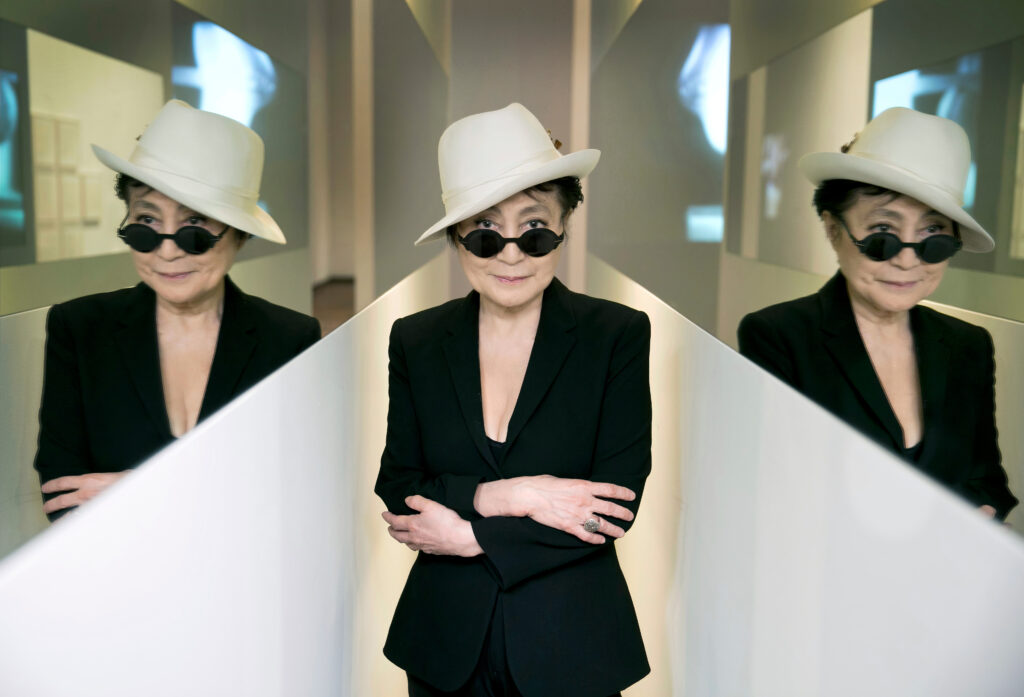
Yoko Ono: Insound and Instructure
25 June – 27 December 2026
Sakıp Sabancı Museum
Who is Yoko Ono, the artist and the peace activist?
https://en.wikipedia.org/wiki/Yoko_Ono
To follow Yoko Ono’s life and artistic work: @yokoono