English




WINTER MAGIC: CHRISTMAS MARKETS
Christmas markets aren’t just places to shop—they’re full-sensory cultural experiences of lights, scents, music and long-loved traditions. These pop-up winter wonderlands turn the coldest months into something warm, sparkling and unforgettable, often becoming the most cherished moments of any European trip.
THE ORIGINS: WHERE WAS THE FIRST CHRISTMAS MARKET?
It’s fair to say the Christmas-market tradition radiated out from the German-speaking world. While some claim the very first market popped up in Vienna in 1296, the earliest one backed by official records is the 1434 Dresden Market. Strasbourg followed in 1570, then Nuremberg in 1628.
In the beginning, these markets were simple gatherings where basket-makers, bakers and confectioners sold goods for the holy days. Over time they grew, diversified and slowly transformed into the enchanting bazaars we know today.
Among them, Nuremberg’s market remains a superstar—opening each year with the appearance of the Christkindl, a cherubic figure who stands in for Santa Claus in these regions. Played by a different child every year, the Christkindl is at the heart of Nuremberg’s most beloved holiday ritual.
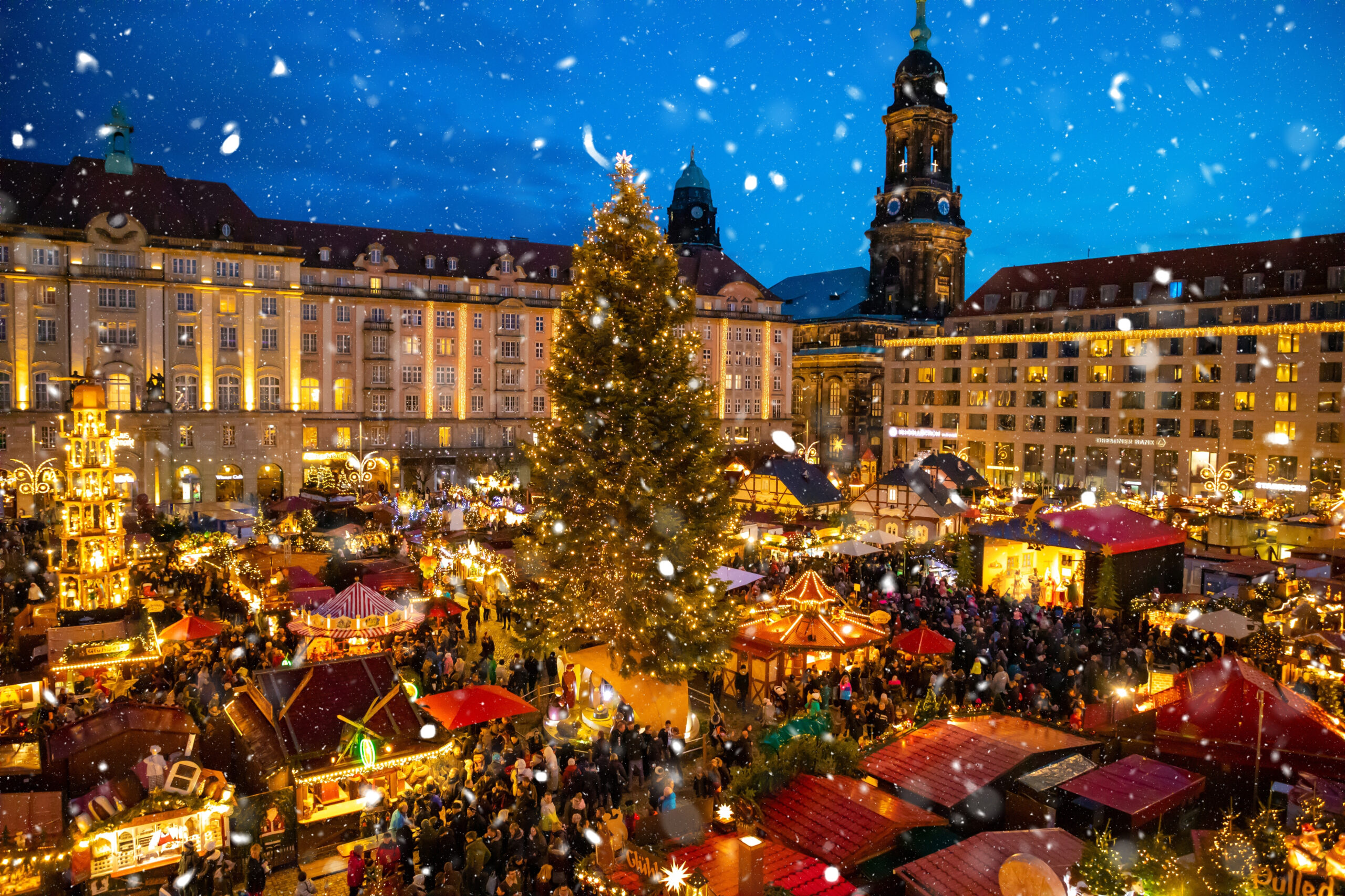
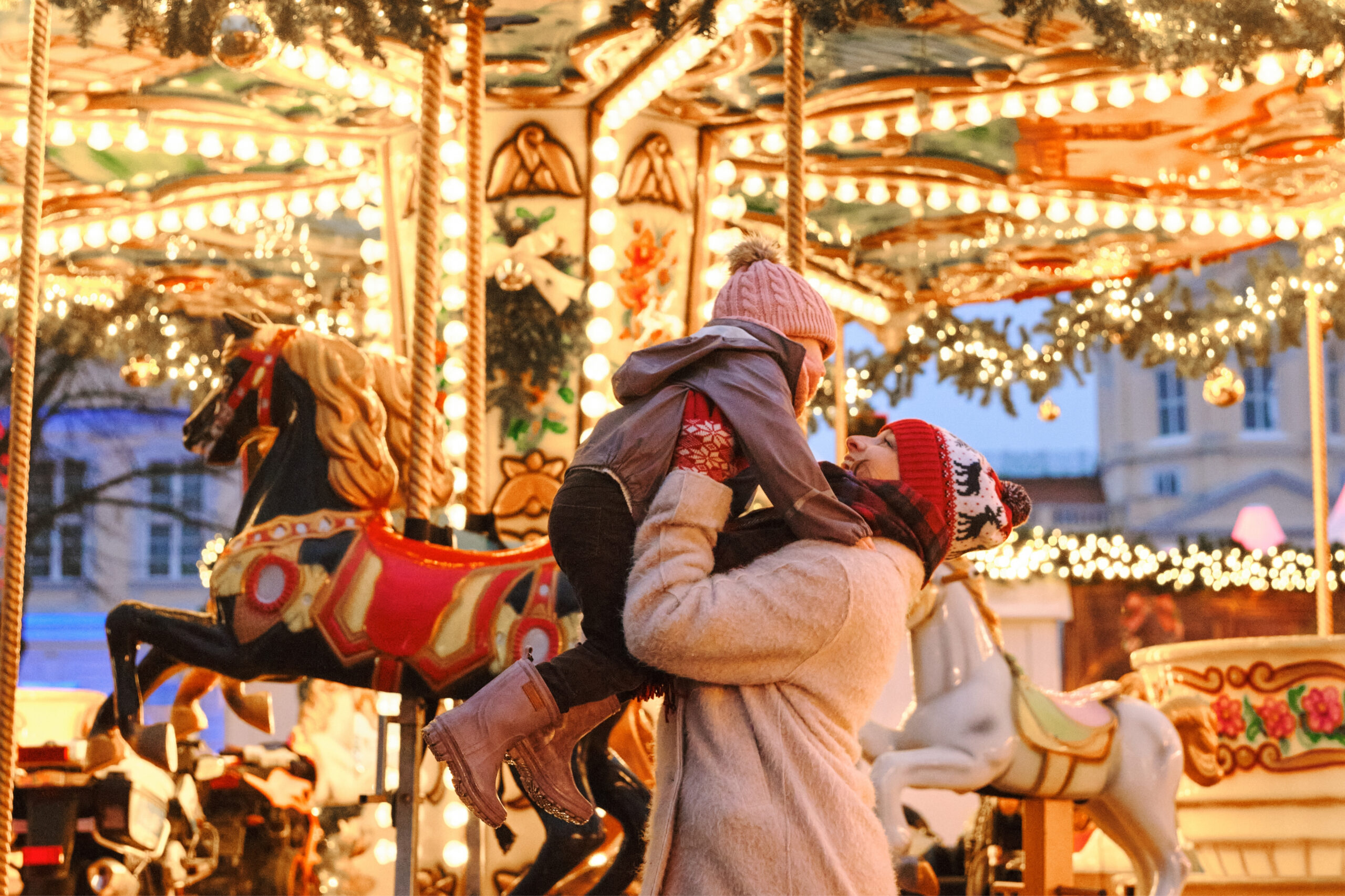
1 / The oldest Christmas market is in Dresden. 2 / Carousel rides are a staple of Christmas markets.
POPULAR CHRISTMAS MARKETS
Nuremberg – The Heart of Tradition
Start your journey in Nuremberg. The hand-carved wooden ornaments and traditional crafts are treasures in their own right. Set aside a full day just for the market—and if time allows, wander the city’s beautifully preserved medieval streets.
Salzburg – A Storybook Setting
Salzburg’s market feels like a fairy-tale set: tulle, twinkling lights, and delicate decorations. Add a horse-drawn carriage ride and a steaming hot chocolate, and the city becomes pure winter romance.
Munich – Big, Bustling & Delicious
Munich hosts one of Europe’s largest Christmas markets. There’s variety, energy and endless treats—and Bavarian comfort food turns any stroll into a feast.

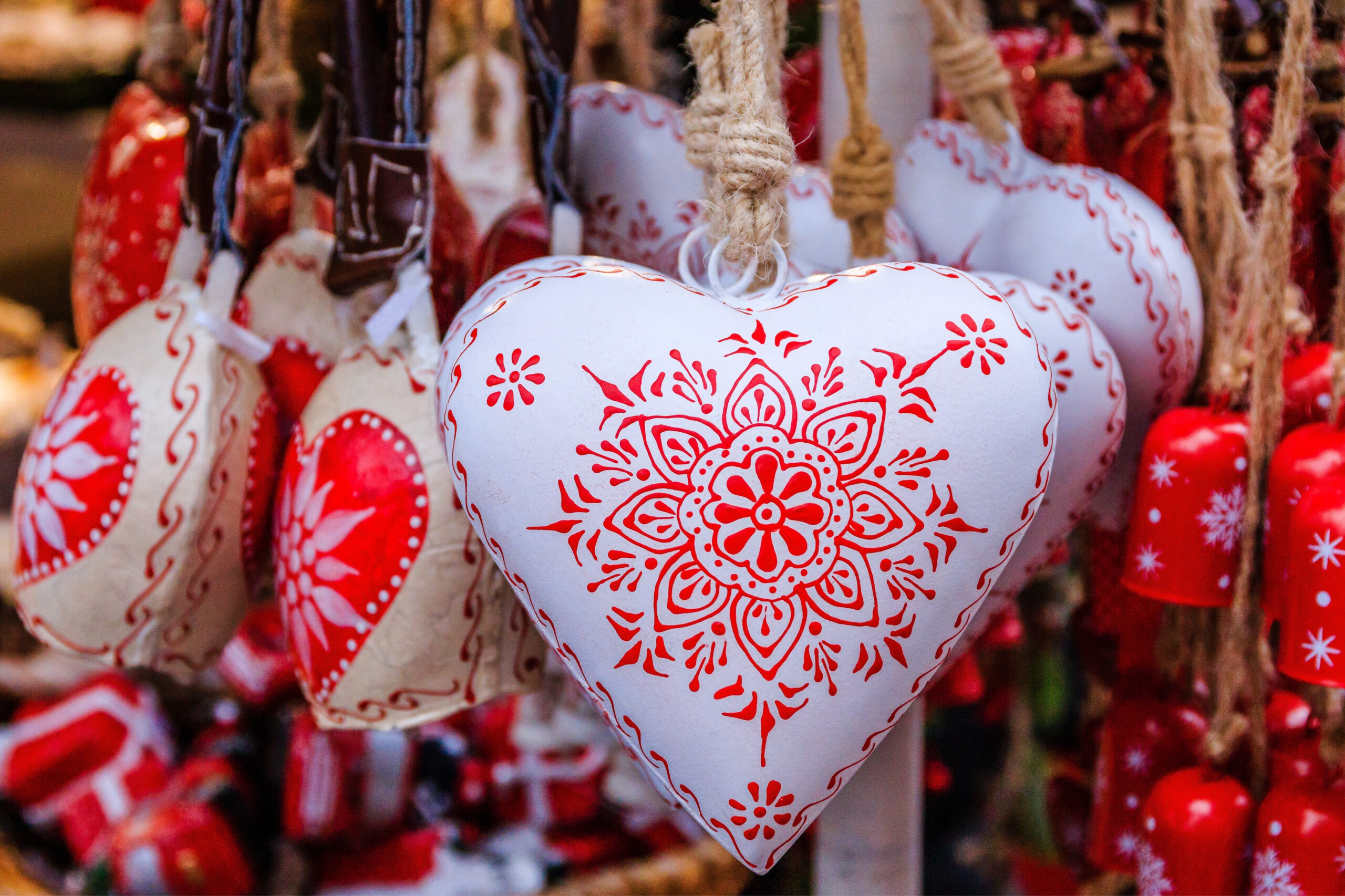
1 / In Nuremberg, the historic city’s main square, Hauptmarkt, transforms into a Christmas market. 2 / New Year decorations.
The Alsace Region – A Winter Detour Along the Wine Route
Alsace is one of France’s most enchanting regions, with a culture all its own. Its postcard-worthy towns and celebrated cuisine make this route unforgettable.
The famous Alsace Wine Route winds through about 70 villages—an aromatic journey through medieval architecture and the scent of local varietals. Verdant in spring, harvest-rich in fall, Alsace becomes something entirely different in winter: a glowing landscape of lights, cinnamon and warm wine.
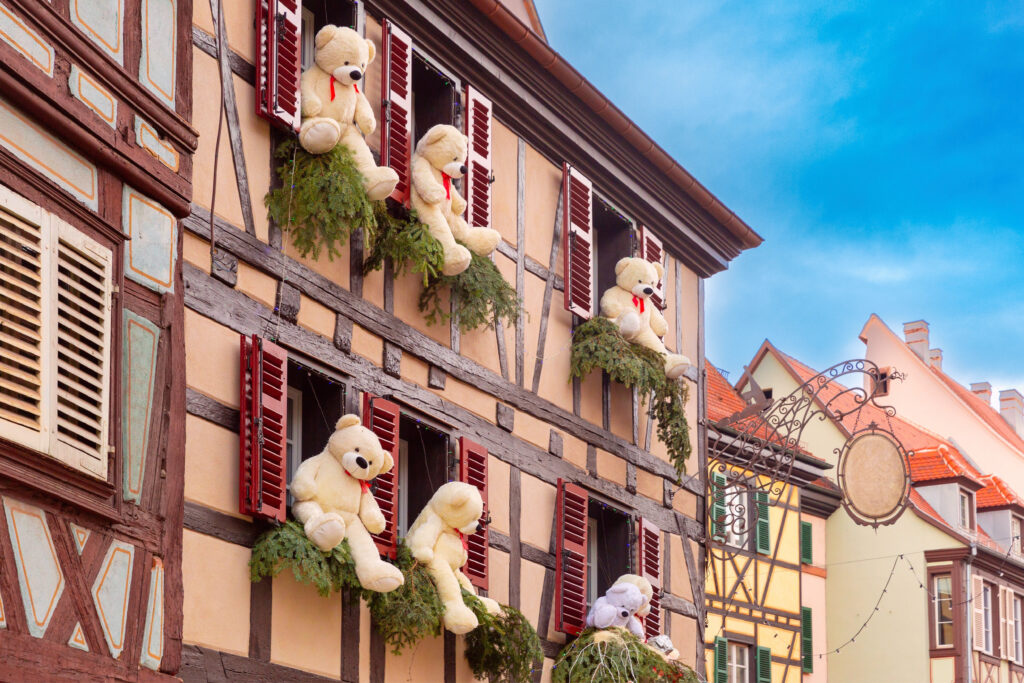
Colmar’s narrow lanes transform into a maze of Christmas stalls; the villages of Kaysersberg and Eguisheim blend medieval charm with yuletide magic; and Strasbourg —home to one of Europe’s oldest and largest markets—radiates around its magnificent cathedral. Gothic details, wooden chalets and artisanal goods create a visual feast, especially irresistible for photographers
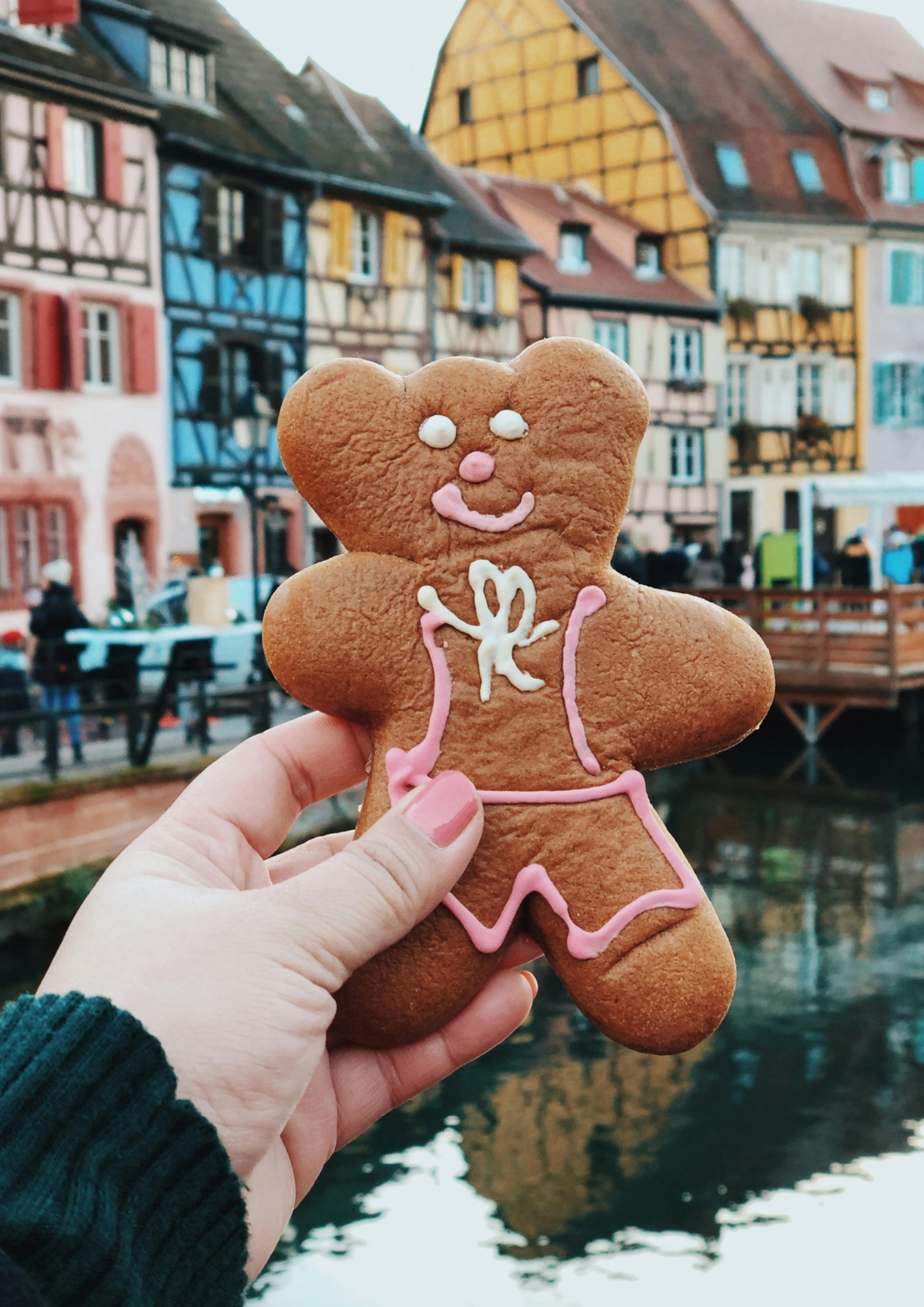


From top: 1 / Christmas decorations in Strasbourg. 2 / Enjoying Christmas cookies by the canal in Strasbourg. 3 / Colmar glowing with lights in every house and street at Christmas.
MUST-TASTE CLASSICS
No Christmas market visit is complete without sampling these favourites:
- Glühwein: mulled wine with cinnamon and cloves
- Apfelwein: apple wine
- Lebkuchen / Magenbrot: soft, spiced gingerbread
- Bratwurst: Germany’s iconic sausage
- Eierpunsch: egg-based holiday punch
- Christstollen (Stollen): the storied Christmas loaf that lasts for weeks
- Gebrannte Mandeln: sugar-roasted almonds—impossible to resist once you catch the scent
2025 CHRISTMAS MARKET DATES
Most markets stay open beyond the traditional Advent period. Here are key dates for your travel calendar:
- Nuremberg: 23 Nov – 24 Dec
- Vienna: 14 Nov – 26 Dec
- Salzburg: 20 Nov – 1 Jan 2026
- Colmar: 26 Nov – 4 Jan 2026
- Strasbourg: 26 Nov – 26 Dec
- Berlin: 24 Nov – 31 Dec
- Cologne: 18 Nov – 23 Dec
- Munich: 24 Nov – 24 Dec
- Budapest: 15 Nov – 26 Dec