English




AN OLFACTORY JOURNEY THROUGH ISTANBUL
If Istanbul had a scent, what would it be? Aromatherapist Gözde Keskin, who explores the strong connection between scents and memory through the lens of Istanbul, now invites us to join her on this olfactory journey.
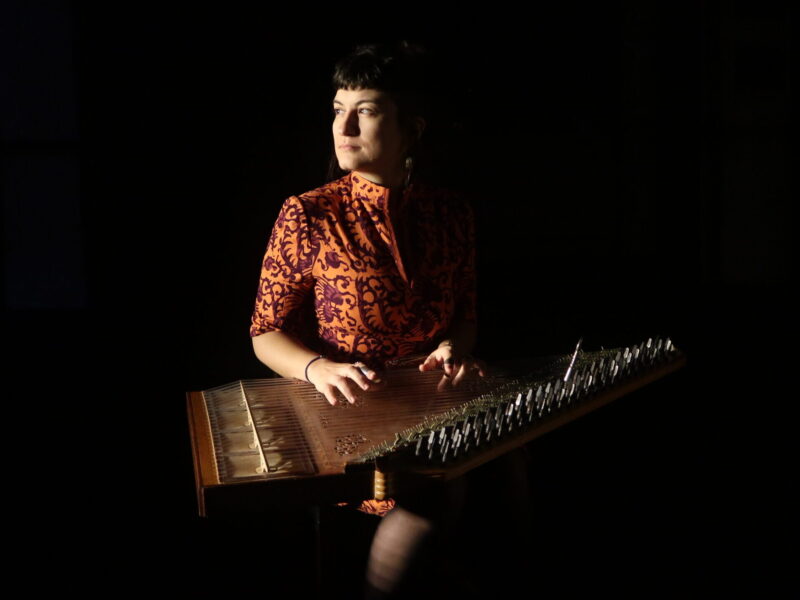
It was a lovely September evening at Frej Coffee & Arthouse. Inside one of the city’s first elegant apartment buildings —with its ornate Art Nouveau–Baroque façade overlooking Şişhane Square, once home to a Lebanese Levantine family— we attended one of the venue’s gatherings dedicated to urban culture. During “A Journey Through Time with Four Plants of Istanbul,” a talk and scent workshop led by Gözde Keskin, I listened to her stories about the civilizations that once called Istanbul home and their unique relationship with aromas. The conversation was accompanied by Çağlar Fidan, a music archaeologist, on the qanun —his performance a delight to all participants. Guided by the clues Gözde dropped in our laps, we viewed Istanbul through the window of scents, and by the end, crafted our own miniature Istanbul-inspired fragrances using essential oils. To learn more about her personal journey into the aromatic world, we met again…


1 / Gözde Keskin at Frej Coffee & Art House. 2 / Guests at Journey Through Time with Four Plants in Istanbul, blending their own scents from essential oils.
What is aromatherapy? How did your interest begin?
Aromatherapy is the use of plant-derived oils to balance the mind, body, and spirit —it can also be described as healing through scents. It’s a subfield of phytotherapy (healing through plants). An aromatherapist is someone who offers guidance on essential oils: which oil to use, for what purpose, and at what ratio.
In Turkey, aromatherapy is recognized under traditional medicine, though only physicians are authorized to provide medical treatment. I completed my associate degree in Aromatic and Medicinal Plants, and also trained with NAHA (The National Association for Holistic Aromatherapy) in the U.S., which grants internationally recognized aromatherapy education and certification. My goal isn’t to treat anyone —it’s to do good for myself and for others.
How did your research into Istanbul’s relationship with scent come about?
Before all this, I studied social sciences teaching at Çanakkale Onsekiz Mart University, so geography, history, sociology, and art history have always been part of my life. I was fascinated by topics like medical practices during the Gallipoli War and the transportation of the wounded between Istanbul and Çanakkale. Later, while doing my master’s in the history of republican reforms at Istanbul University, I researched daily life in Istanbul during that war.
Through readings in the history of science, I discovered Hamdi Bey, the first Muslim pharmacist, whose story I shared during the talk you attended. I was already intrigued by Istanbul’s historic core, especially the Zeyrek area. Aromatherapy entered my life as a way to heal myself —it wasn’t something I planned to turn into a profession. But as I delved deeper into plants, essential oils, and their mythologies, history and Istanbul naturally became intertwined. Over time, my explorations and readings connected, and the presentation you joined was born.

Why is scent memory so powerful?
In aromatherapy, we use the essence of plants, directly stimulating the limbic system of the brain through smell. Certain compounds in essential oils support our endocrine glands. This applies only to natural botanical scents, not synthetic perfumes, which are common today.
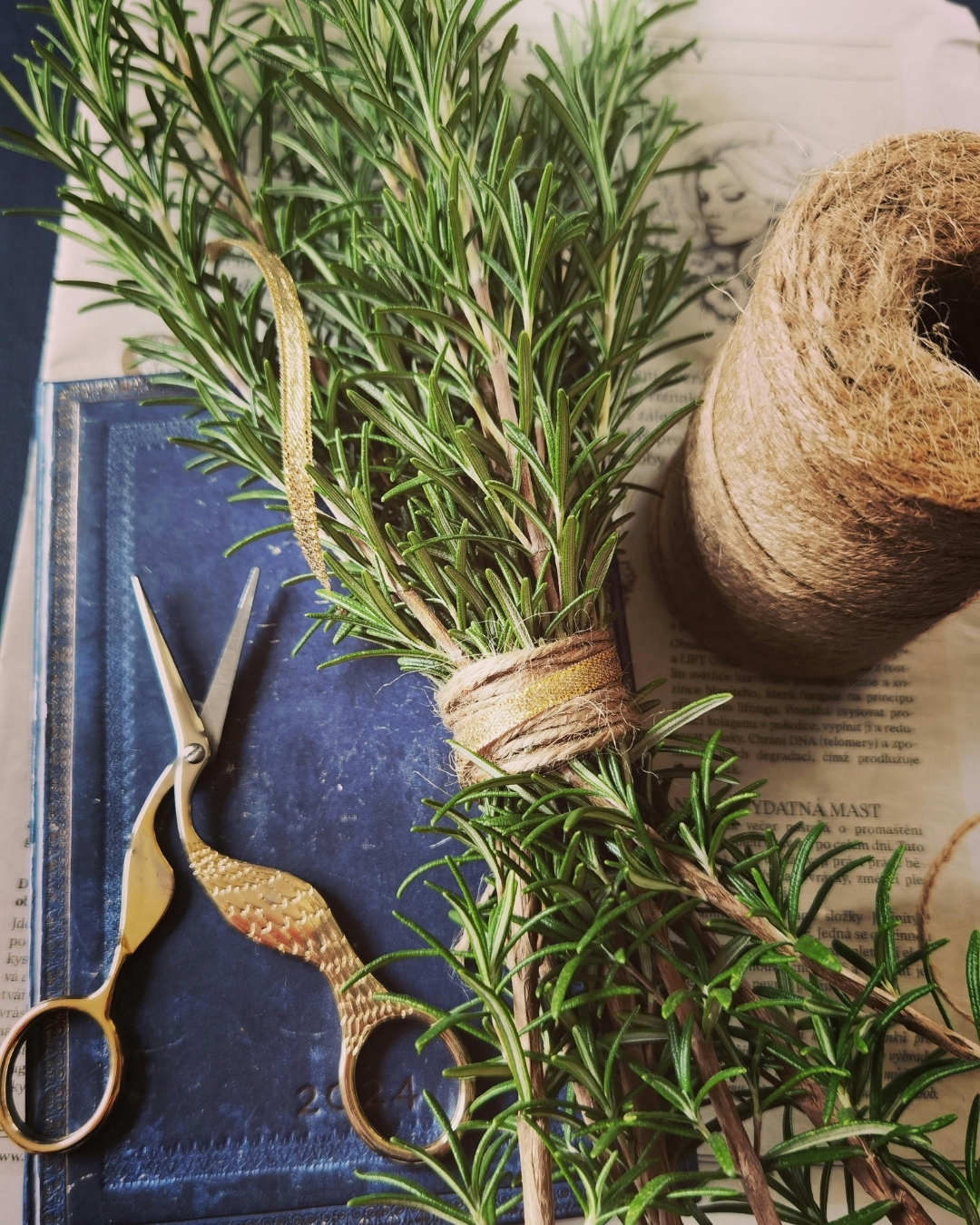
When the right aromas reach certain areas of the brain, they can reduce fatigue, increase learning and focus, and uplift the spirit. For example, rosemary has long been known as the herb of memory and remembrance —it even inspired Shakespeare, who used it symbolically in Hamlet through Ophelia’s line:
“There’s rosemary, that’s for remembrance; pray you, love, remember.”
Another is vetiver, a woody root with a heavy, earthy scent —not everyone’s favorite, but remarkably effective for grounding and focus. It’s known to neutralize heavy metals and pollution in nature, while bringing clarity to the mind.
Oils can also be blended —for instance, rosemary with mandarin or orange. Rose oil, being precious, is best inhaled directly or applied via a roller rather than burned. Sage and peppermint are stimulating. Essential oils should be used at roughly one drop per five square meters. However, soem essential oils are not recommended for children or pregnant women —except for mandarin oil, which is gentle and uplifting for children’s rooms.
Root-based and warm-toned plants (those representing the fire element, from yellow to red fruits) help us ground and feel at home. Some scents simply make a house feel like home —like cinnamon or vanilla drifting from the kitchen. Smells can instantly transport us to childhood, though not all evoke pleasant memories.
If we were to match scents with seasons…
During the New Year season, we use clove, cinnamon, and patchouli; in spring, fresher floral scents. As the sun moves away in autumn, we turn to mandarin and orange, reminding us of warmth and earth; and in winter, to the fiery, spicy notes we mentioned earlier. In essence, we gravitate toward what we need most.
It’s important for everyone to find the scent that personally soothes them. Since the pandemic, the desire to return to nature and grow plants and herbs at home has strengthened —it’s become a niche passion. But I hope it once again becomes a simple part of everyday life. Perhaps we just need to bottle a bit of nature and keep it closer.

How does geography affect the power of scents? Do plants heal best in their native habitat?
Today, we can access plants from anywhere, but in truth, what we need is often right beside us. For example, jojoba oil comes from a plant native to South America that only yields oil after eight years, making it very expensive. Yet safflower oil, grown locally in Turkey, serves the same purpose. It’s cheaper and more accessible but less promoted.
Similarly, instead of the globally popular tea tree oil, we can use bay leaf oil, abundant in our region. While not identical in composition, they offer similar effects. I place great importance on using plants native to our geography. Popular trends can be misleading —like the widespread use of castor oil on social media, which I find concerning. It’s a medical-grade substance that has been used in hospitals and a very useful plant, but it shouldn’t be promoted online so casually.
When we think of scent in Turkey, we think of rose and lavender —and of course, the city of Isparta, where they are cultivated. Are there other centers like this?
Some municipalities are developing projects, though they’re not well known. For example, Balıkesir Municipality organizes an annual Aromatherapy Festival each July through its BAÇEM Farmer Training Center, bringing together aromatherapy professionals from across Turkey. I hope this festival grows and gains more recognition in the coming years.
What would you include in a basket of scents that represent Istanbul?
Myrrh, symbolizing Byzantium; rose, for the Ottoman era; lavender, for daily life; and cypress, the tree of Istanbul’s cemeteries. Just like in Yahya Kemal Beyatlı’s poem The Death of the Rinds, where the rose, the cypress, and the incense burner meet in poetic harmony.


MYRRH: THE SACRED PLANT OF BYZANTIUM
Resins are natural secretions that plants use to heal their bark when wounded. Myrrh resin, revered for its healing powers throughout history, first appears in mythology as the tears of Myrrha (or Smyrna), transformed into a myrrh tree by the gods’ wrath.
In Ancient Egypt, myrrh was used for embalming, and when Jesus was born, the wise men offered gold, frankincense, and myrrh —making it sacred in Christianity. The Romans used myrrh oil in church censers to purify sacred spaces, a custom carried into the Eastern Roman churches of Istanbul.
Uses and Benefits of Myrrh Oil:
Today, myrrh resin is known for its calming, anti-anxiety, and respiratory benefits.


Below: Beykoz style opaline and crystal rosewater bottles. Photo: Alif Art auction catalogue.

ROSE: THE OTTOMAN’S JOY OF LIFE
In Islam, the rose symbolizes the Prophet Muhammad, and in Sufism, divine love. During the Ottoman era, it was widely used in homes, palaces, mosques, and lodges. Both Edirne and Topkapı Palaces had rose gardens, and the custom of using rosewater and incense was a vital part of palace life.
Special attendants known as “buhurciyan” prepared fragrant blends, often combining agarwood, rosewater, and amber, with additions like musk, juniper, frankincense, sandalwood, and spruce. Roses were used in culinary rituals, at ceremonies, and even for soap-making in palace kitchens.
Although today Rosa damascena (the Damask rose) is grown widely in Isparta, it was first planted there in 1880 by Müftüzade İsmail Efendi, who smuggled a cutting from Bulgaria’s Kazanlak region inside his walking stick.
Uses and Benefits of Rose Oil:
Scientific research shows that rose oil vibrates at 320 Hz, the highest frequency among plants. It is known as heart-healing and memory-strengthening.

LAVENDER: THE CORNERSTONE OF AROMATHERAPY
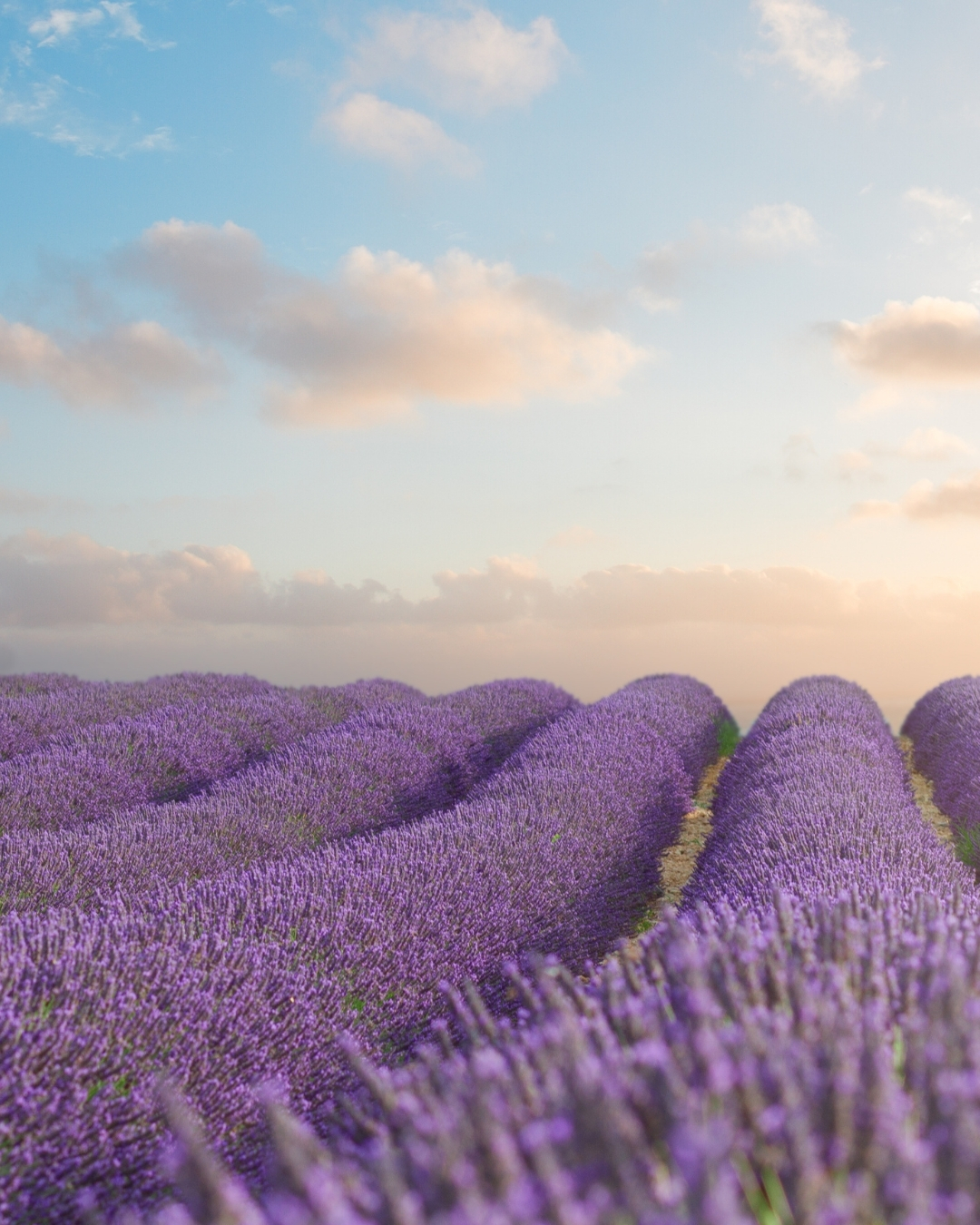
As beloved in Ottoman palaces as rose and musk, lavender was used for its soothing aroma in linens and as incense. Its modern medicinal fame, however, came from René-Maurice Gattefossé, the French chemist who coined the term “aromatherapy.” After discovering lavender’s antiseptic and burn-healing properties following an accident, he published his book Aromathérapie in 1937.
Uses and Benefits of Lavander Oil:
True lavender (Lavandula angustifolia) is calming and helps heal wounds, while hybrid lavender —containing camphor— is stimulating and preferable as an ambient fragrance.


CYPRESS: THE ELEGANT GUARDIAN OF ISTANBUL CEMETERIES
Associated with Istanbul’s graveyards, the slender, upright cypress is also a key plant in aromatherapy. Its long, narrow roots make it safe to plant near buildings, and its soothing presence provides comfort in times of mourning. One of the city’s most famous monumetal trees, the 1,400-year-old “Chained Cypress”, still stands at Sümbül Efendi Mosque in Koca Mustafa Paşa.
Uses and Benefits of Cypress Oil:
Cypress oil helps open the airways in the body, soothes coughs, and reduces stress and tension.

DE MATERIA MEDICA:
The Story of the First Book on Medicinal Plants
Written in 65 CE, De Materia Medica was an early precursor to pharmacology, cataloguing around 600 plants and 1,000 remedies. Its author, Dioscorides of Anazarbus (born near modern-day Adana), traveled widely as a physician in the Roman army, documenting plants and their uses.
The most famous copy, commissioned by Byzantine Princess Juliana Anicia in 512 CE, expanded the original with beautiful plant illustrations and became known as the Juliana Anicia Codex. After Byzantium fell, the manuscript passed to the Ottomans, where palace physicians used it for centuries —until the Austrian ambassador in Sultan Süleyman’s era purchased it for the Austrian emperor with a large sum of gold. Today, it resides in the Austrian National Library in Vienna.
To follow Gözde Keskin’s upcoming events: @gozde_keskin